
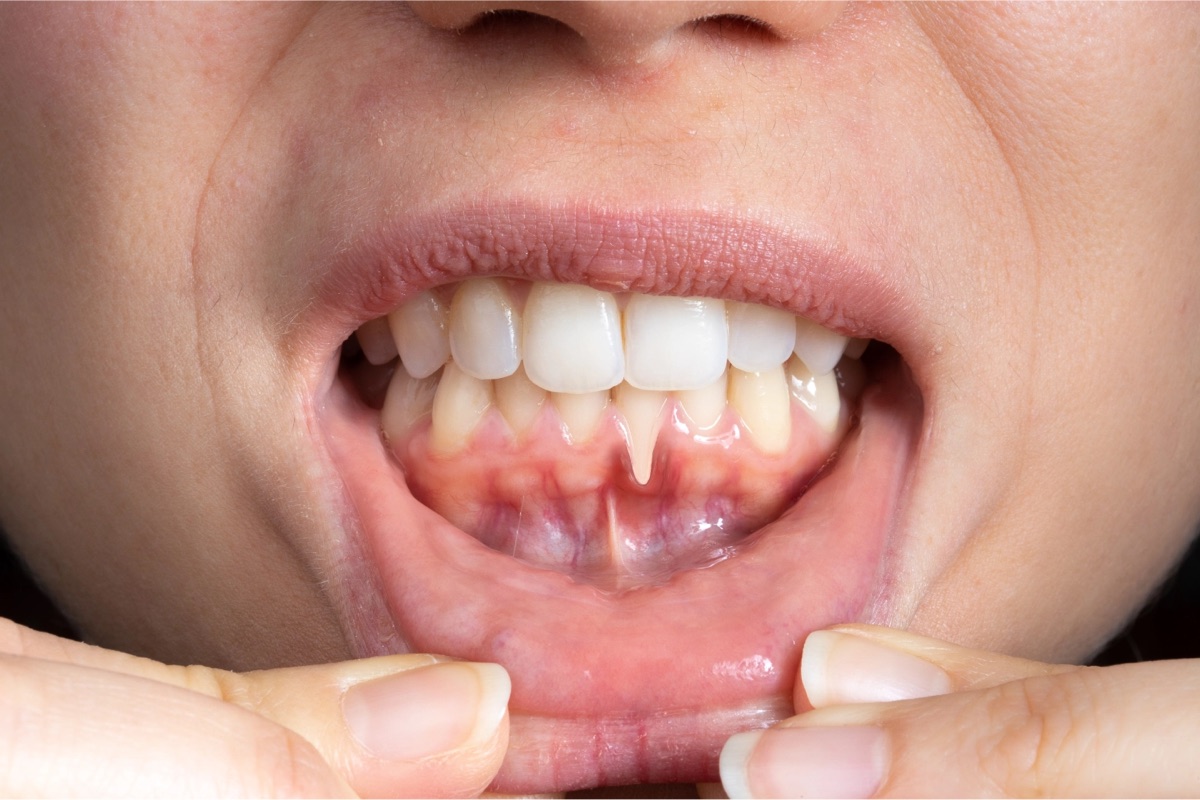

You brush, you spit, and there is a little pink in the sink. It does not hurt, so you rinse and get on with your day. Most people do exactly that, often for years. If you have been looking for a dentist in Denver to ask about it, or quietly hoping it would stop on its own, this guide explains what bleeding gums actually mean and why they are worth a closer look sooner rather than later.
Why Bleeding Gums Are Easy to Ignore
Almost every other dental problem announces itself. A cavity aches. A cracked tooth zings when you bite down. Gum disease mostly stays quiet. There is no sharp pain in the early stages, and a small amount of bleeding is easy to explain away as brushing too hard.
That silence is the real issue. According to the CDC, nearly half of American adults over 30 show signs of gum disease, and many of them do not know it. Healthy gums do not bleed from normal brushing or flossing. When they do, it almost always means the tissue is inflamed.
What Is Actually Happening
Plaque is a sticky film of bacteria that forms on your teeth every day. What you miss with a toothbrush hardens into tartar within a few days, and tartar cannot be brushed away at home. It sits along and under the gumline, and your gums respond to the bacteria by becoming red, puffy, and quick to bleed.
That first stage is called gingivitis. It is the only stage that is fully reversible, and it is also the stage most people sit in without realizing it.
What Happens If You Wait
Gum disease moves slowly, which is exactly why it catches people off guard. This is the usual progression when nothing is done:
- Gingivitis. Red or swollen gums that bleed when you brush or floss. No permanent damage yet, and it can be turned around.
- Early periodontitis. The gums begin to pull away from the teeth and form small pockets where bacteria collect. The bone that holds your teeth in place starts to break down.
- Moderate periodontitis. Pockets deepen, gums recede, and teeth can look longer than they used to. Bad breath that does not go away is common at this point.
- Advanced periodontitis. Enough bone is lost that teeth loosen or shift. Gum disease is the leading cause of tooth loss in adults.
The part worth remembering is that bone lost to gum disease does not grow back. Treatment can stop the process at any stage, but it cannot return you to where you started. That is the whole case for acting while the only symptom is a little bleeding.
Researchers have also linked long term gum inflammation with heart disease, diabetes, and stroke. That does not mean bleeding gums will cause those conditions, but it is one more reason not to treat your gums as a cosmetic concern.
Why Denver Adults Should Pay Closer Attention
Living at a mile high is easy on the spirit and a little hard on the mouth. Denver air is dry, and between the altitude, the low humidity, and how much coffee this city drinks, a lot of people here run slightly dehydrated without noticing.
That matters because saliva is your mouth's built in defense. It rinses away food, neutralizes acid, and keeps bacteria in check. When your mouth is dry, plaque builds faster and gums become irritated more easily. We wrote more about this in our guide to the role of saliva in oral health. If you wake up with a dry mouth most mornings, mention it at your next visit.
Signs It Is Time to Be Seen
Bleeding is usually the first sign, but it is rarely the only one. It is worth scheduling a visit if you notice any of these:
- Gums that bleed when you brush or floss, more than once in a while
- Gums that look red, swollen, or shiny instead of firm and pink
- Bad breath or a bad taste that brushing does not fix
- Gums that seem to be pulling back from your teeth
- New sensitivity near the gumline
- A tooth that feels slightly loose or a bite that feels different
If it has been more than a year since your last cleaning, that alone is a good reason to come in, even if nothing on this list sounds familiar.
How Gum Disease Is Treated
The good news is that treatment is far less dramatic than most people expect, especially when it is caught early.
If It Is Gingivitis
A professional cleaning and exam removes the tartar you cannot reach at home, and a few adjustments to your brushing and flossing routine do the rest. Gums often stop bleeding within a couple of weeks.
If It Has Progressed
Dr. Yang may recommend a deep cleaning called scaling and root planing. The area is numbed, tartar is removed from below the gumline, and the root surfaces are smoothed so the gums can heal and tighten back around the teeth. It is typically done over one or two visits, with follow up maintenance cleanings to keep things stable. You can read more on our gum disease treatment page.
Either way, the first step is the same. We measure the pockets around your teeth, take digital X-rays if they are needed to check bone levels, and tell you plainly where things stand.
What You Can Do at Home Starting Tonight
- Brush twice a day for two full minutes with a soft bristled brush, angled toward the gumline
- Floss once a day, and keep flossing even if your gums bleed at first
- Drink more water than you think you need, especially in a Denver winter
- Go easy on tobacco, which hides the bleeding while making gum disease worse
Good home care can calm early inflammation, but it cannot remove tartar that has already hardened. If the bleeding has not improved after two weeks of careful brushing and flossing, that is your sign to have it checked.
Worried About Cost?
A cleaning costs far less than treating advanced gum disease or replacing a lost tooth, so this is one of the few areas of dentistry where waiting almost never saves money. If you do not have dental insurance, our membership plan covers your routine cleanings and exams for a flat annual fee. We also see many patients from Cherry Creek, Glendale, and Englewood who are simply overdue and want to start fresh. There is no lecture waiting for you here.
Frequently Asked Questions
Is it normal for gums to bleed when I brush or floss?
It is common, but it is not normal. Healthy gums do not bleed from routine brushing or flossing. Bleeding that shows up more than once or twice is usually a sign of inflammation, and it is worth having it looked at.
Can gum disease be reversed?
The earliest stage, gingivitis, can usually be fully reversed with a professional cleaning and consistent home care. Once it progresses to periodontitis, the bone and tissue already lost do not grow back, but treatment can stop it from getting worse. Our gum disease treatment page explains how that works.
Does gum disease treatment hurt?
A deep cleaning is done with local anesthesia, so the area is numb during treatment. Most patients describe mild soreness for a day or two afterward that an over the counter pain reliever handles well.
How do I know if I have gum disease if nothing hurts?
Often you cannot tell on your own, which is why it goes unnoticed for so long. Gum disease is diagnosed by measuring the space between the teeth and gums and checking bone levels on X-rays, both of which are part of a routine exam.
Ready to Have It Looked At?
If your gums have been bleeding, the kindest thing you can do for your future self is find out why while it is still simple to fix. Book an appointment with Dr. Jane Yang DDS and we will take a careful look, explain what we see, and walk you through your options.