
Implants are usually the most expensive single thing a patient will consider, and the price is often the reason people put off asking about them for years. It is a fair concern, and it deserves a straight answer rather than a vague invitation to call for pricing. Here is what implants cost around Denver, what drives the number up or down, and how insurance tends to handle them.
What a Single Implant Runs in Denver
Across Colorado, a single tooth implant generally falls in the range of $3,500 to $6,400, with the statewide average sitting near $4,650. Denver metro pricing often runs at the higher end of that band, and can exceed $6,000, largely because commercial rent and demand for cosmetic work are both higher here than in the rest of the state. Colorado overall sits roughly eight percent above the national average.
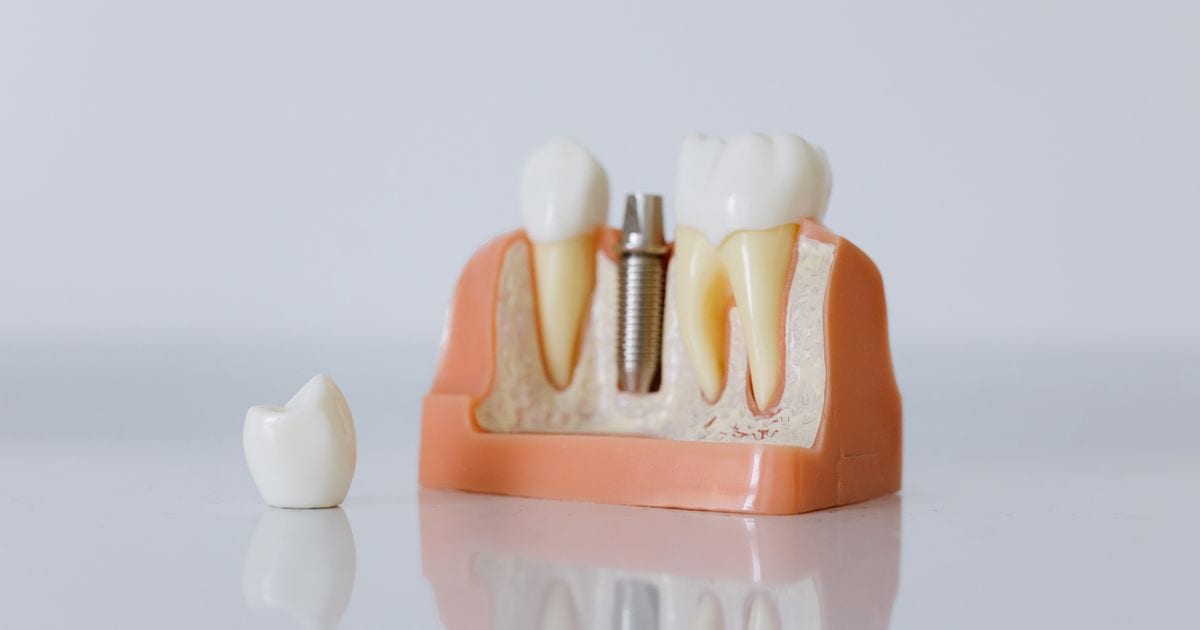
That figure typically covers three separate components that together make up the finished tooth:
- The implant post, a titanium screw placed into the jawbone to act as the root
- The abutment, the connector that sits on top of the post
- The crown, the visible tooth that attaches to the abutment
When you see an unusually low advertised price, it is worth asking which of these three it includes. Quotes covering only the post are common in advertising and are not comparable to a complete figure.
What Is Usually Not Included
The headline price generally excludes anything needed to prepare the site, and this is where estimates most often move. Depending on your situation that can mean:
- Extraction of the existing tooth, if it is still in place
- Bone grafting, if the jawbone has thinned where the tooth has been missing
- A sinus lift, sometimes needed for upper back teeth
- Imaging, including cone beam 3D scans used to plan placement
Bone loss is the most common surprise. Once a tooth has been gone a while, the bone that supported it begins to recede, which is also the reason waiting tends to make treatment more involved rather than less.
How Insurance Handles Implants
Coverage is partial at best. Most plans available in Colorado will cover around fifty percent of the crown, usually after a waiting period of six to twelve months, and that contribution is capped by your annual maximum, which commonly sits between $1,500 and $2,000. The implant body itself is rarely covered at all.
In practice this means insurance offsets a portion of the cost rather than most of it. If you are planning more than one implant, spreading treatment across two benefit years is sometimes worth discussing, since each year brings a fresh annual maximum.
Financing through CareCredit is the other common route, and our financial options page covers how that works.
How Implants Compare to the Alternatives
An implant is rarely the cheapest option in the moment. It is often the most economical over a long enough horizon, which is a different claim and worth being clear about.
A bridge costs less initially but relies on the neighboring teeth for support, which means reshaping two otherwise healthy teeth, and bridges generally need replacing after a decade or so. Dentures cost less again and are the practical answer when several teeth are missing, though they sit on the gums rather than anchoring into bone.
Implants are the only option that replaces the root, which is what keeps the surrounding jawbone stimulated and slows the bone loss that follows a missing tooth. Whether that difference justifies the cost depends on your age, your health, and how many teeth are involved. Our overview of how dental implants work covers the procedure itself in more depth.
Why Quotes Differ So Much Between Practices
Two estimates for what sounds like the same treatment can differ by thousands. The usual reasons:
- What the quote covers. Post only, or post with abutment and crown
- Whether preparatory work is included, particularly grafting
- Crown material, since zirconia and porcelain differ in cost and appearance
- Who places it, and whether surgical and restorative stages are billed separately
When comparing, ask each practice for an itemized figure covering the finished tooth. It is the only way to compare like with like.
Frequently Asked Questions
How much does a dental implant cost in Denver?
A single tooth implant in the Denver area generally runs between $3,500 and $6,400, with Denver often at the upper end and some cases exceeding $6,000. That range reflects the local market rather than a quote, since the final figure depends on whether extraction or bone grafting is needed.
Does insurance cover dental implants?
Partially. Many plans cover around half the cost of the crown after a waiting period, subject to an annual maximum of roughly $1,500 to $2,000. The implant post itself is usually excluded.
Why are implants more expensive than a bridge?
An implant involves surgical placement, multiple components, and often months of healing between stages. A bridge uses the neighboring teeth for support and is completed in fewer visits. Implants generally last longer and preserve jawbone, which is where the added cost goes.
Can I pay for implants over time?
Yes. CareCredit financing is available, and treatment can sometimes be staged across two benefit years so that two annual insurance maximums apply. We are happy to map out the options before you commit to anything.
Getting an Actual Number
Everything above describes the Denver market rather than your mouth. A real figure requires an exam and imaging to see what the bone looks like underneath. Book an appointment and we will give you an itemized estimate you can compare against anything else you have been quoted.
Regular dental checkups every six months are essential for maintaining optimal oral health, catching problems early, and preventing costly treatments down the road. At Dr. Jane Yang DDS, we make preventive care comfortable and comprehensive.