
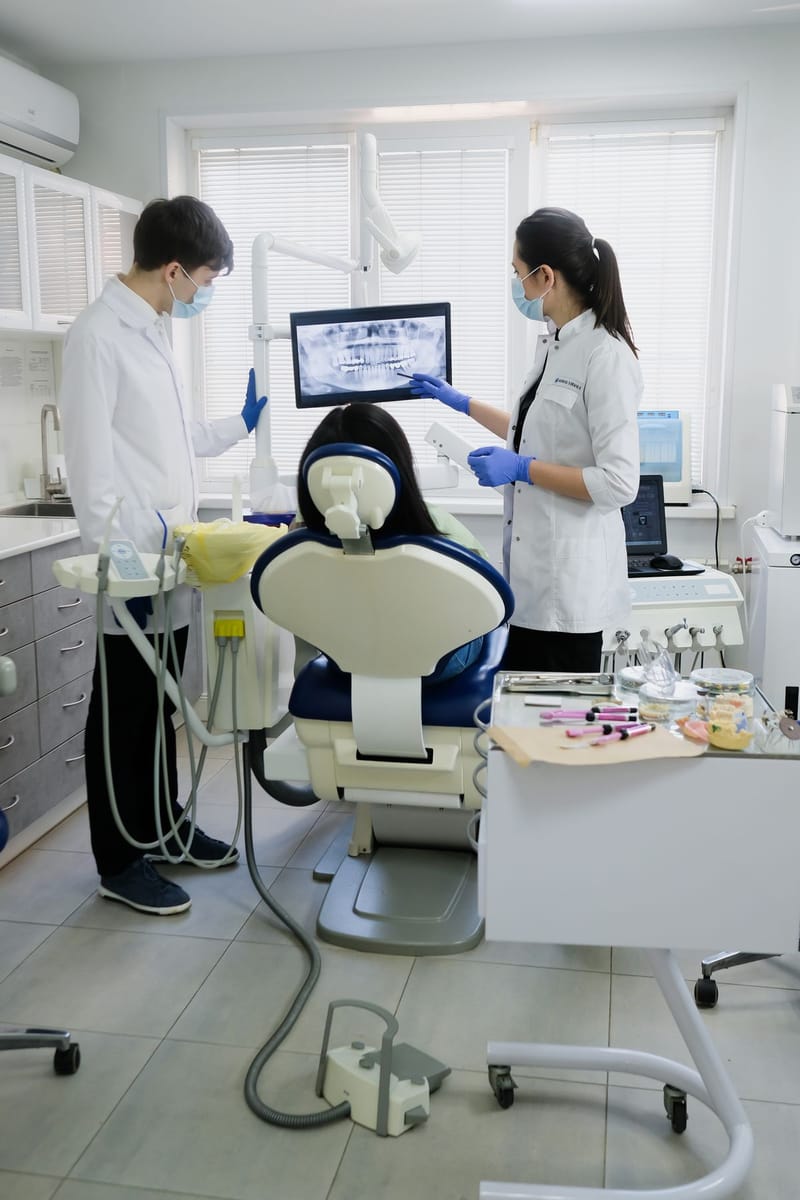
A dental emergency has a way of showing up at the worst possible moment, whether it is a cracked tooth during dinner or a sudden ache that keeps you up at night. If you are searching for an emergency dentist in Denver, the most important thing to know is that you have options and you do not have to wait it out in pain. At the office of Dr. Jane Yang DDS in Denver, we help patients through these stressful moments with calm, practical care. This guide walks you through the most common dental emergencies, a few things you can do at home, and when it is time to pick up the phone.
What Counts as a Dental Emergency?
Not every dental problem needs immediate attention, but some do. In general, if you are in significant pain, have bleeding that will not stop, or have lost part of a tooth, it is worth calling us right away. Trusting your instincts matters here. If something feels seriously wrong, it usually is worth a phone call so we can help you decide the best next step.
Some situations that typically call for prompt care include:
- A knocked out or loosened tooth after an accident or fall
- A cracked, chipped, or broken tooth that is painful or has sharp edges
- Severe or throbbing tooth pain that does not ease up
- Swelling in the gums, jaw, or face, which can point to an infection
- A lost filling or crown that leaves a tooth sensitive and exposed
- Bleeding that continues after an injury to the mouth
What to Do Before You Reach the Office
While you arrange to be seen, a few simple steps can make you more comfortable and help protect the tooth.
For a Knocked Out Tooth
Pick the tooth up by the crown, the part you normally chew with, rather than the root. If it is dirty, rinse it gently with water. If you can, place it back in the socket and hold it there. If that is not possible, keep it in a small container of milk. Getting seen quickly gives the tooth the best chance, so call us as soon as you can.
For a Cracked or Broken Tooth
Rinse your mouth with warm water and hold a cold compress against the outside of your cheek to ease swelling. Save any pieces of the tooth if you can. A break can sometimes be addressed with a cracked tooth repair, so try not to chew on that side until we take a look.
For Ongoing Tooth Pain
Rinse with warm water and gently floss around the sore tooth in case food is trapped. An over the counter pain reliever can help in the meantime. Lingering pain can be a sign that a tooth needs attention, and in some cases it points to a deeper issue that may need root canal treatment. If any of this sounds familiar, our guide to the signs you might need a root canal is a helpful read.
For Swelling or Signs of Infection
Swelling around a tooth or in the face can be a sign of infection, and this is one of the situations where it is best not to wait. Call our office and rinse gently with warm salt water while you arrange to be seen.
How We Help During an Emergency
When you come in, our first goal is to get you comfortable and understand what is going on. That may involve a quick exam and images so we can see what is happening below the surface. From there we will talk through your options in plain language. Depending on the situation, care might involve emergency dental care to relieve pain, a repair to save the tooth, or in some cases a tooth extraction when a tooth cannot be saved. Whatever the path, we will make sure you understand it before anything happens.
Preventing the Next Emergency
Some emergencies are simply bad luck, but many start as small problems that grow over time. Keeping up with regular checkups gives us a chance to catch issues while they are still easy to manage. Wearing a mouth guard during sports and steering clear of chewing ice or hard candy also goes a long way. A little prevention today can save you a stressful night down the road.
Frequently Asked Questions
What should I do if I have a dental emergency in Denver?
Call our office as soon as you can so we can guide you. In the meantime, manage pain with a cold compress and an over the counter pain reliever, save any pieces of a broken tooth, and keep a knocked out tooth in milk until you are seen.
Is a lost filling or crown a dental emergency?
It is usually not as urgent as severe pain or swelling, but it is still worth calling. The exposed tooth can be sensitive and more vulnerable, so it is best to have it looked at before it becomes a bigger problem.
How can I tell if my tooth pain is serious?
Pain that is severe, wakes you at night, or comes with swelling or a fever deserves prompt attention. If you are unsure, it is always okay to call and describe what you are feeling so we can help you decide.
Ready to Be Seen?
If you are dealing with a dental emergency, please do not tough it out on your own. Book an appointment with Dr. Jane Yang DDS and our team will help you through it. You can also reach us by phone during office hours.
Regular dental checkups every six months are essential for maintaining optimal oral health, catching problems early, and preventing costly treatments down the road. At Dr. Jane Yang DDS, we make preventive care comfortable and comprehensive.